Climate change: the importance of monitoring water quality

Climate change: the importance of monitoring water quality

Climate Change: The Critical Importance of Water Quality Monitoring

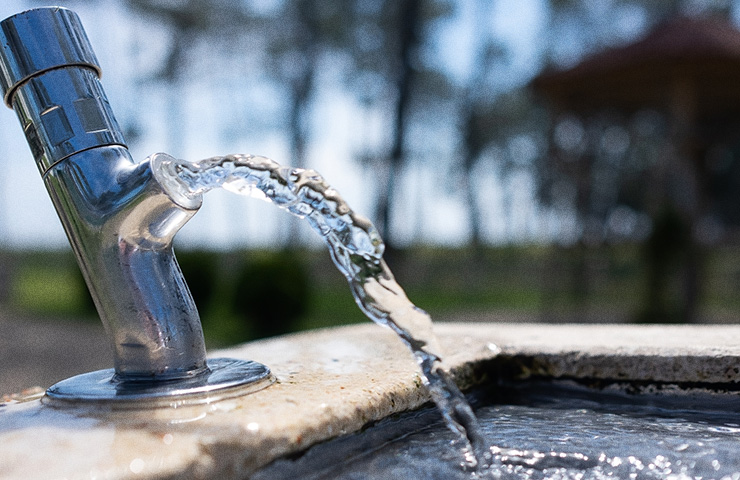
Access to clean and safe water is vital for life, ecosystems, and sustainable development. Discover how continuous monitoring serves as the most effective tool to protect public health against the challenges of extreme weather.

Drinking water is not just a basic resource; it is the fundamental pillar for human health and the engine of global development. However, water pollution remains one of the most significant challenges of our time, a problem drastically worsened by the effects of climate change. In this scenario, constant monitoring is not an option but an indispensable responsible management tool for environmental balance and sanitary security.

The Impact of Extreme Weather Events

Alterations in climate patterns are alarmingely modifying the availability and purity of water resources:

  • Floods: Sudden increases in water flow carry sludge, sewage, and industrial/agricultural chemical waste (such as pesticides and fertilizers) into water sources, facilitating the spread of dangerous pathogens.
  • Droughts: Reduced water levels diminish the natural dilution capacity of water bodies. This leads to a dangerous concentration of pollutants and heavy metals, sometimes forcing populations to rely on low-quality sources.
  • Storms: Intense rainfall causes accelerated surface runoff, loading rivers, lakes, and reservoirs with sediments and contaminants that alter biological balance and drastically increase turbidity.

Monitoring as a Strategic Tool

Water quality monitoring is a comprehensive scientific process that encompasses systematic collection, laboratory analysis, and precise data interpretation. This data provides the necessary technical basis to identify pollution sources, assess public health risks, ensure compliance with current legal standards, and develop long-term water resource management strategies.

Critical Technical Evaluation Parameters:

  • Physical Parameters: Temperature, color, turbidity, and odor, which serve as immediate sensory indicators of possible alteration.
  • Chemical Parameters: pH, dissolved oxygen, heavy metals (Lead, Mercury, Arsenic), nutrients (Nitrogen and Phosphorus), pesticides, and complex industrial residues.
  • Biological Parameters: Presence of pathogenic microorganisms (bacteria, viruses, and protozoa) according to WHO international guidelines.

Benefits of Continuous Monitoring and CEIMIC’s Role

The importance of effective monitoring has never been more evident. This practice allows for the early identification of contaminants, preventing disease outbreaks and protecting the biodiversity of aquatic ecosystems. CEIMIC offers integrated solutions ranging from accredited sampling to high-precision analysis. Using cutting-edge technologies, we help organizations make informed decisions to minimize impacts on health and the environment.

Together, we can ensure that future generations have access to clean and safe water. For technical inquiries or analysis requests, contact us at: info@ceimic.com

CEIMIC. Life Sciences Testing Group. It’s about life.

How to Improve Transparency and Food Safety

How to Improve Transparency and Food Safety

Traceability: The Pillar of Transparency and Safety in Fruit Exports

In a globalized market, knowing where our food comes from is not a luxury—it is a requirement. Discover how traceability systems and CEIMIC analysis ensure compliance with international safety standards.

Food traceability is much more than a logistical record; it is the guarantee that every stage of the supply chain is visible and auditable. For the export industry, according to the Food and Agriculture Organization of the United Nations (FAO), implementing robust systems is essential to strengthen confidence in international markets.

Key Requirements for a Transparent Chain

  • Origin Identification: Detailed records of the producer and the exact geographic location of the crop.
  • Supply Chain Mapping: A comprehensive history of all intermediaries and collection centers.
  • Treatment History: Total transparency regarding pesticides, fungicides, and preservation processes.

CEIMIC’s Strategic Role: MRL Verification

Traceability is only as real as the data that supports it. At CEIMIC, we act as the scientific verification link in this chain.

Through our advanced analysis, we validate that each lot strictly complies with the Maximum Residue Limits (MRLs) required by regulations such as those from the European Food Safety Authority (EFSA) or the U.S. Food and Drug Administration (FDA).

Implementing robust traceability does not just comply with the law; it positions your company as a benchmark for quality and transparency in the global market.

CEIMIC. Life Sciences Testing Group. It’s about life.
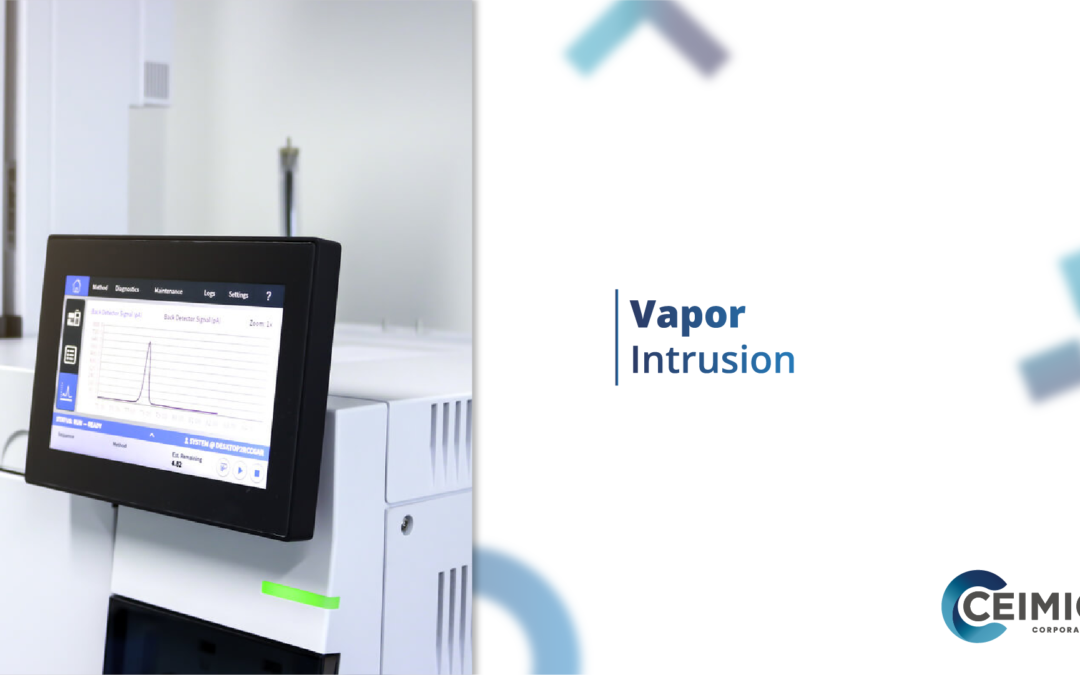
Advanced VOC analysis using the TO-15 method to ensure indoor air quality

Advanced VOC analysis using the TO-15 method to ensure indoor air quality

Vapor Intrusion: Indoor Air Quality Risks and Analytical Solutions

Vapor intrusion occurs when subsurface chemicals migrate into buildings, compromising indoor air quality. Initially identified with radon, this phenomenon now encompasses contaminants such as hydrocarbons and chlorinated solvents from soil and groundwater. Prolonged exposure to these substances can lead to adverse health effects, depending on the concentration and type of compound.

To mitigate these risks, CEIMIC leads the market with the TO-15 method, capable of analyzing more than 90 volatile organic compounds (VOCs).

Unlike common industry standards, we individually certify our Silonite-coated stainless steel canisters rather than batch-testing them. This rigor is crucial: 98% of samples analyzed in Brazil show some level of contamination. Our methodology ensures that any findings originate strictly from the evaluated site and not from the container, providing results of maximum confidence.

ADVANTAGES OF THE TO-15 ANALYSIS PERFORMED BY CEIMIC

  • 9 years of experience in São Paulo, with thousands of analyses performed by the authentic TO-15 methodology.
  • Use of 1.4L canister, able to analyze 5 dilutions without loss of sensitivity.
  • Fomo recognized by ERA as a laboratory of excellence for achieving 100% accuracy in the 2019 interlaboratory test.
  • Our silonite coated stainless steel canisters are individually certified to ensure no contamination.
  • Multiple TO-15 instrumentation systems to ensure on-time results.
  • Inventory of hundreds of stainless steel canisters coated with silonite (to-15 compliant) and vast inventory of Sample Trains and Flow Controllers.
With 9 years of experience and advanced technology, CEIMIC guarantees precision and regulatory compliance in your environmental projects.


CEIMIC. Life Sciences Group. It’s about life.

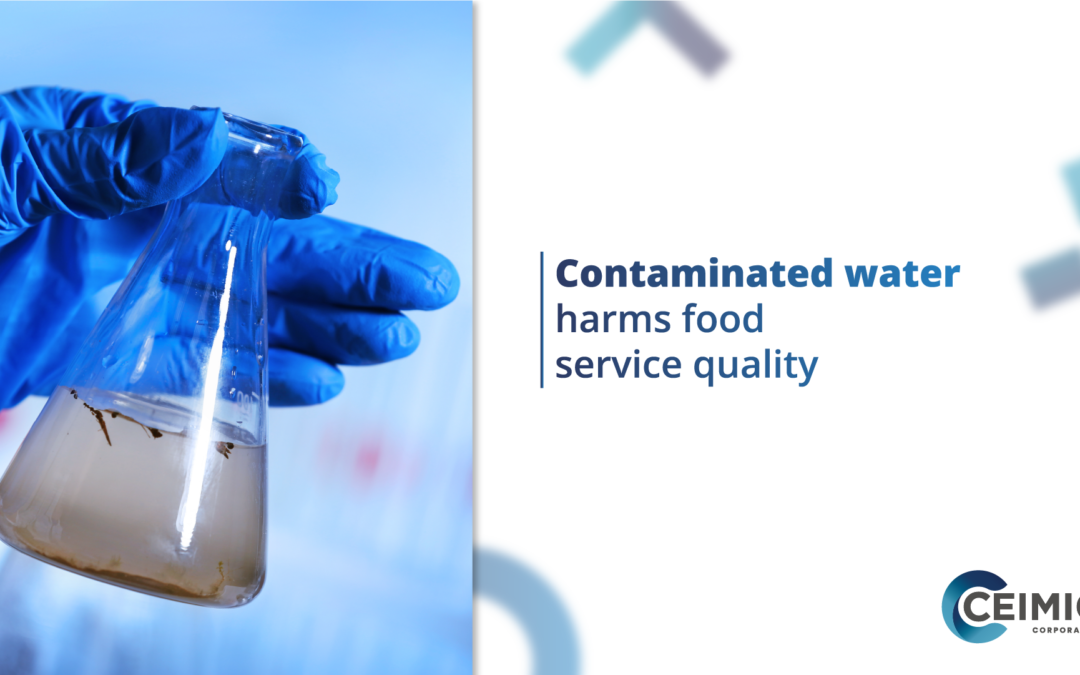
Contaminated water harms food service quality

Contaminated water harms food service quality

Water Quality: The Critical Raw Material in the Food Industry


Prepared food production is inconceivable without the use of water. As a primary raw material, it is essential that water is treated, high-quality, and free of contaminants. Unfortunately, this standard is not always met in the marketplace; even in reputable restaurants, bakeries, or supermarkets, water of doubtful origin or inadequate storage is frequently used.

While industrial processes typically maintain tighter controls, the risk of contamination remains a constant threat. This highlights the importance of continuous analytical testing to guarantee the quality of the main ingredient in products such as beverages, sauces, and processed meats.

Overlooked Risks in Food Preparation Business owners often prioritize the quality of specialty grains, flours, or dairy products, yet frequently overlook the quality and origin of the water used in their compositions.

“Water can contaminate food in many ways,” says Rogério Andrade, Business Director at CEIMIC Laboratories Group. “From basic hygiene to the preparation phase, food can be compromised by chemical elements, toxins, or microorganisms. These can cause foodborne illnesses, deteriorate prepared meals, and undoubtedly alter the flavor profile of the products.”

According to Andrade, it is vital that water used in food handling and preparation strictly adheres to the physicochemical and microbiological standards established by current regulations.

CEIMIC. Life Sciences Group. It’s about life.