Expoalimentaria Lima 2019

Expoalimentaria Lima 2019

CEIMIC Emerges as a Leader in Pesticide Analysis at Expoalimentaria Peru


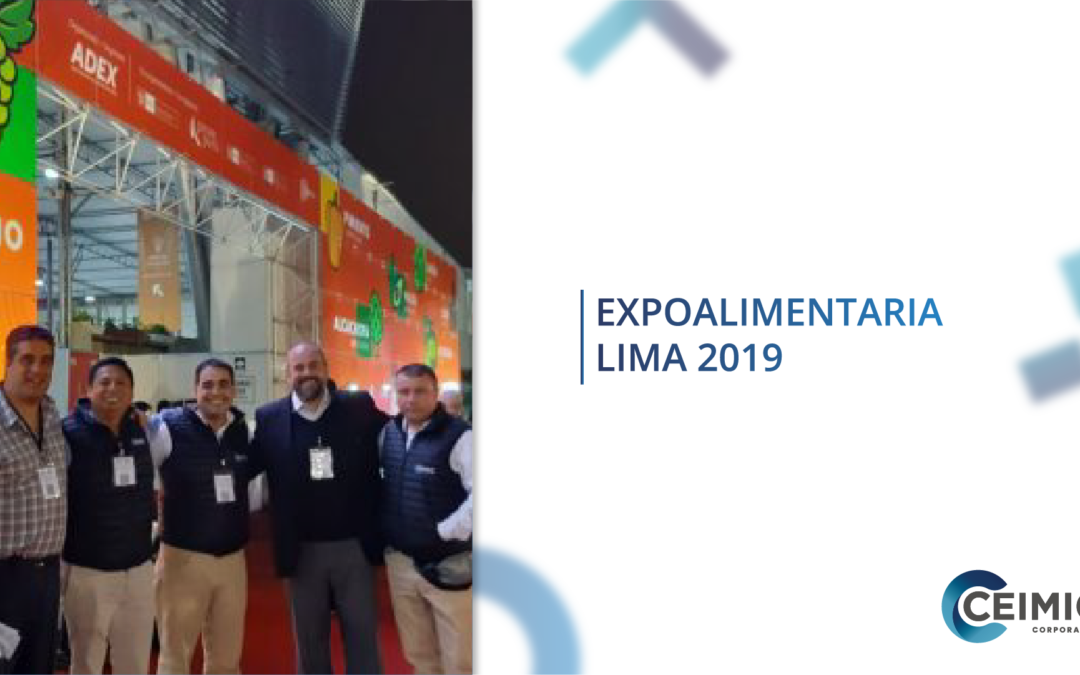
CEIMIC reaffirmed its strategic position at Expoalimentaria Lima, one of the region’s most significant food and beverage trade shows. The event gathered over 500 exhibitors and 3,000 international visitors from countries including Brazil, Argentina, Ecuador, and Indonesia, serving as a vital meeting point for the fresh produce, grain, and processed food markets.

Héctor Durán, Sales Manager at CEIMIC Chile, highlighted the local market’s potential: “The Peruvian market will grow exponentially due to its wealth of endemic products with high export potential.”

Our international delegation, featuring executives from Argentina, Chile, Brazil, and Peru, focused on strengthening ties with long-standing clients and launching new projects.

Meanwhile, Marcos Cayotopa, Business Development Manager in Peru, emphasized the prestige achieved: “Customer recognition today positions us as one of the leading laboratories for multi-residue pesticide analysis in the country.”

At CEIMIC, we continue to expand our analytical service universe to support the growth of exports across Latin America.
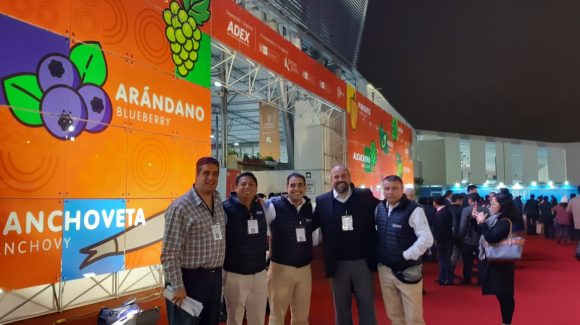
 

Flavio Arribas (Ceimic CEO), Marcos Cayotopa (Business Development Manager, Peru), Claudio Losada (General Manager, Ceimic HLAC), Gustavo Artiaga (General Manager, Ceimic Brazil), and Héctor Durán (Sales Manager, Ceimic Chile).
Multi-residue analysis with ISO 17025 international accreditation (DAkkS and A2LA)

Multi-residue analysis with ISO 17025 international accreditation (DAkkS and A2LA)

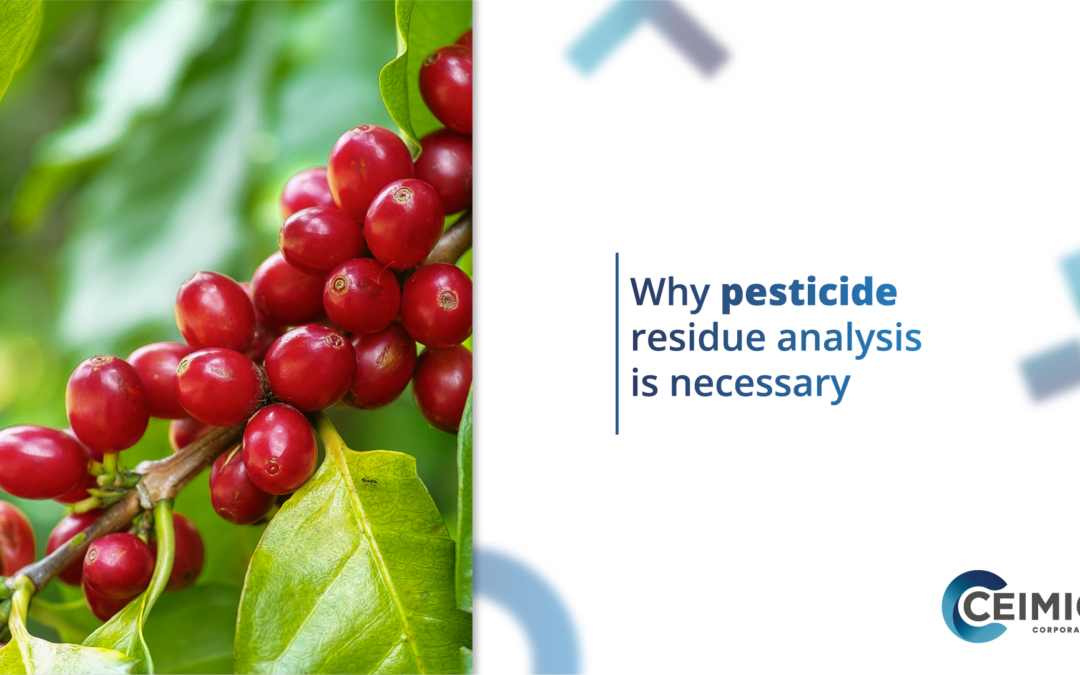
Pesticide Residue Analysis: Regulatory Compliance for Agro-Exports


Pesticide residue analysis is a critical requirement for production and agro-export companies. The objective is to comply with guidelines established by both local and international regulatory bodies, ensuring that pesticide levels remain within Maximum Residue Limits (MRLs) that do not pose a risk to consumer health.

At CEIMIC, we offer one of the most extensive analytical scopes in the Americas. We hold ISO 17025 accreditations granted by the prestigious German entity DAkkS and A2LA from the United States, guaranteeing traceability and precision for all analyzed molecules. Our services are fully available in Colombia through our new laboratory strategically located in Chía (Cundinamarca), as well as our facilities in Santo Domingo (Dominican Republic) and Villahermosa (Mexico).

We have the operational capacity to handle requirements across multiple species and crops in Argentina, Brazil, Chile, Colombia, Ecuador, Guatemala, Mexico, Peru, and the Dominican Republic.

At CEIMIC, we support your global competitiveness with analytical excellence and international technical rigor.

Avocado export: Colombian market

Avocado export: Colombian market

Colombia Begins Avocado Exports to China: CEIMIC’s Analytical Support


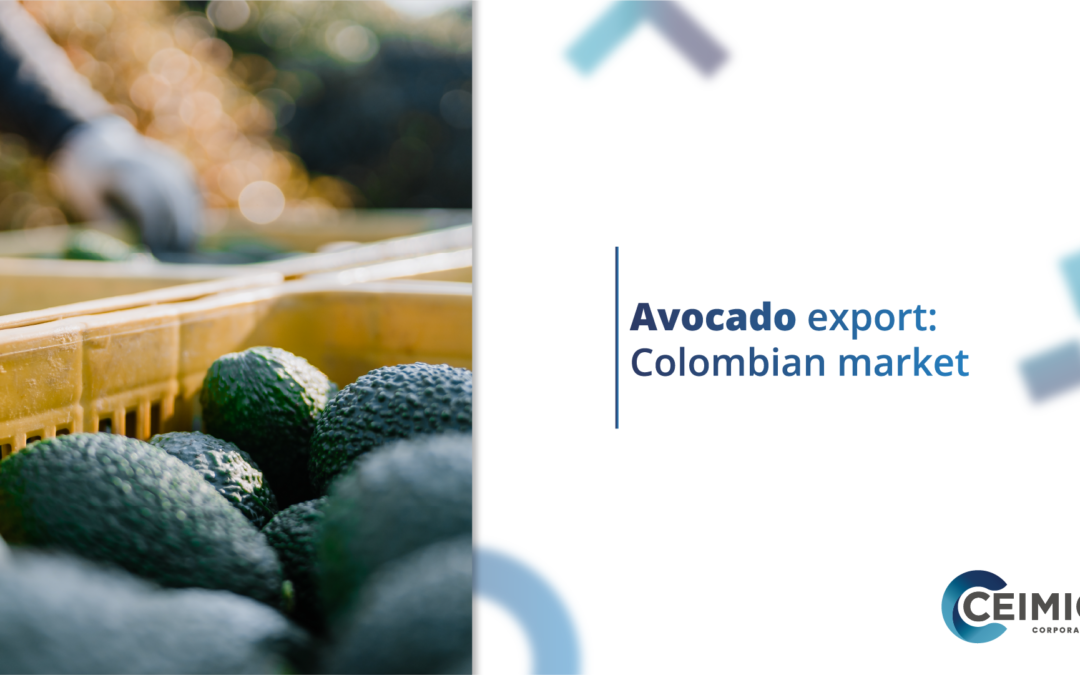
Despite recent global challenges, the Colombian agricultural sector is celebrating significant milestones, such as the shipment of the first 24 tons of avocados to China. Colombia currently stands as the world’s fifth-largest producer of this variety, with over 11,237 hectares under cultivation. This progress marks the beginning of a strategic era for national agriculture, which demands rigorous technical support to meet the requirements of international markets.

At CEIMIC, we reaffirm our commitment to exporters by offering specialized services in multi-residue pesticide analysis, data intelligence for emerging markets, and international accreditation. We have a new laboratory strategically located in the center of the country (Chía, Cundinamarca), designed to provide high-precision and reliable results.

Enhance your international competitiveness by contacting us at +57 3103987862.
Advanced VOC analysis using the TO-15 method to ensure indoor air quality

Advanced VOC analysis using the TO-15 method to ensure indoor air quality

Vapor Intrusion: Indoor Air Quality Risks and Analytical Solutions

Vapor intrusion occurs when subsurface chemicals migrate into buildings, compromising indoor air quality. Initially identified with radon, this phenomenon now encompasses contaminants such as hydrocarbons and chlorinated solvents from soil and groundwater. Prolonged exposure to these substances can lead to adverse health effects, depending on the concentration and type of compound.

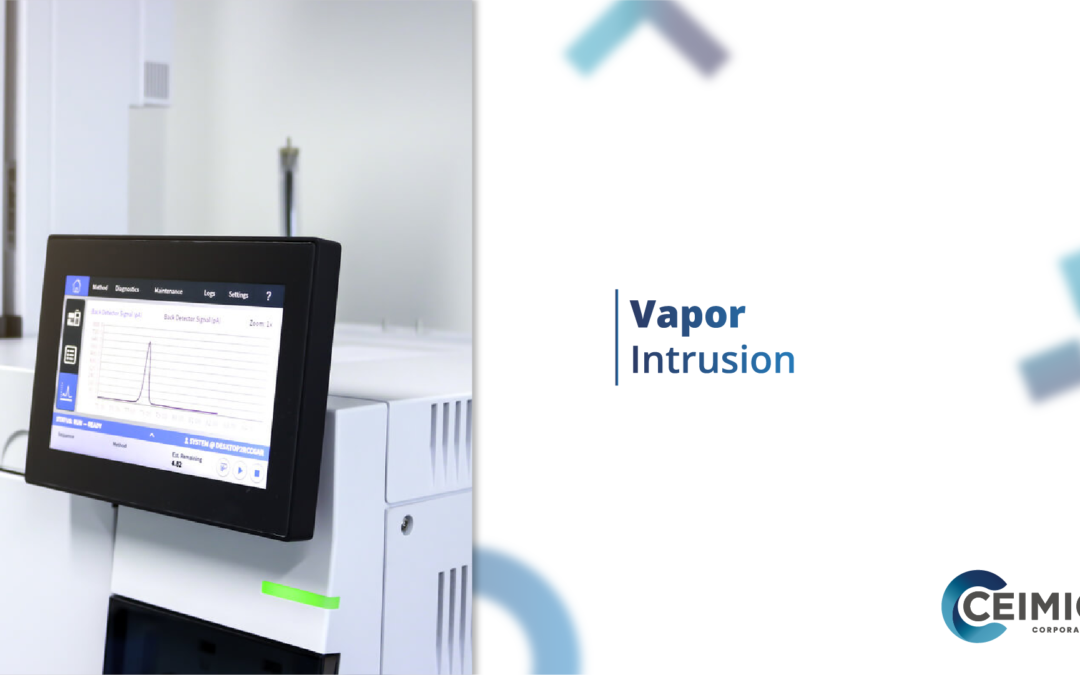
To mitigate these risks, CEIMIC leads the market with the TO-15 method, capable of analyzing more than 90 volatile organic compounds (VOCs).

Unlike common industry standards, we individually certify our Silonite-coated stainless steel canisters rather than batch-testing them. This rigor is crucial: 98% of samples analyzed in Brazil show some level of contamination. Our methodology ensures that any findings originate strictly from the evaluated site and not from the container, providing results of maximum confidence.

ADVANTAGES OF THE TO-15 ANALYSIS PERFORMED BY CEIMIC

  • 9 years of experience in São Paulo, with thousands of analyses performed by the authentic TO-15 methodology.
  • Use of 1.4L canister, able to analyze 5 dilutions without loss of sensitivity.
  • Fomo recognized by ERA as a laboratory of excellence for achieving 100% accuracy in the 2019 interlaboratory test.
  • Our silonite coated stainless steel canisters are individually certified to ensure no contamination.
  • Multiple TO-15 instrumentation systems to ensure on-time results.
  • Inventory of hundreds of stainless steel canisters coated with silonite (to-15 compliant) and vast inventory of Sample Trains and Flow Controllers.
With 9 years of experience and advanced technology, CEIMIC guarantees precision and regulatory compliance in your environmental projects.


CEIMIC. Life Sciences Group. It’s about life.

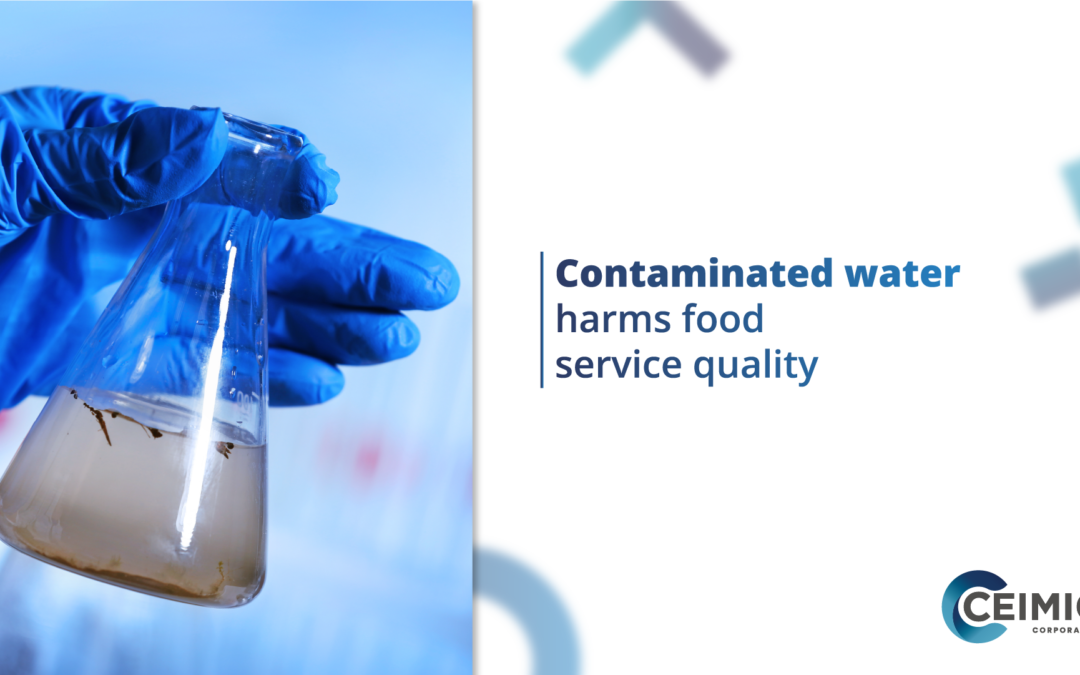
Contaminated water harms food service quality

Contaminated water harms food service quality

Water Quality: The Critical Raw Material in the Food Industry


Prepared food production is inconceivable without the use of water. As a primary raw material, it is essential that water is treated, high-quality, and free of contaminants. Unfortunately, this standard is not always met in the marketplace; even in reputable restaurants, bakeries, or supermarkets, water of doubtful origin or inadequate storage is frequently used.

While industrial processes typically maintain tighter controls, the risk of contamination remains a constant threat. This highlights the importance of continuous analytical testing to guarantee the quality of the main ingredient in products such as beverages, sauces, and processed meats.

Overlooked Risks in Food Preparation Business owners often prioritize the quality of specialty grains, flours, or dairy products, yet frequently overlook the quality and origin of the water used in their compositions.

“Water can contaminate food in many ways,” says Rogério Andrade, Business Director at CEIMIC Laboratories Group. “From basic hygiene to the preparation phase, food can be compromised by chemical elements, toxins, or microorganisms. These can cause foodborne illnesses, deteriorate prepared meals, and undoubtedly alter the flavor profile of the products.”

According to Andrade, it is vital that water used in food handling and preparation strictly adheres to the physicochemical and microbiological standards established by current regulations.

CEIMIC. Life Sciences Group. It’s about life.