Contamination of water and food today: a challenge for public health
Water and Food Contamination During Floods: A Critical Public Health Challenge
Floods do not only cause structural damage; they leave an “invisible threat” in water and basic supplies. Discover the microbiological and chemical risks after the waters recede.
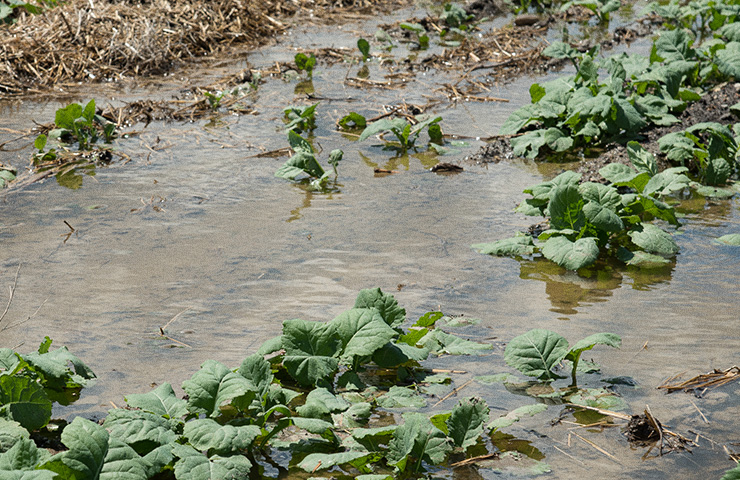
Floods are natural disasters that deeply impact communities. Beyond the immediate destruction, the greatest challenge for public health arises as the waters recede: the massive contamination of water sources and food supplies. This phenomenon, closely monitored by organizations such as the Pan American Health Organization (PAHO), facilitates the proliferation of pathogenic microorganisms and the dispersion of dangerous contaminants.
Where is the danger?
Floodwater acts as a transport vehicle for a wide range of harmful substances, spreading them across residential, agricultural, and industrial areas. According to PAHO, identifying the origin of these contaminants is the first step toward a safe community recovery.
Main Contaminating Agents:
- Pathogenic Microorganisms: Bacteria such as Escherichia coli, Salmonella, and Vibrio cholerae (the cause of Cholera), as well as viruses like Hepatitis A.
- Chemical Contaminants: Water runoff releases pesticides and fertilizers that can seep into underground aquifers.
- Heavy Metals: Mobilization of lead, mercury, and cadmium from industrial zones or waste deposits—substances that can cause permanent neurological damage.
Impact on Health and Vulnerable Groups
Ingesting contaminated water or food after a flood frequently leads to outbreaks of gastroenteritis, leptospirosis, and other waterborne diseases. The World Health Organization (WHO) warns that children, the elderly, and immunocompromised individuals are the most exposed to serious complications.
Prevention and Mitigation Strategies
To minimize the impact, it is essential to implement a response plan based on four pillars recommended by WHO and local authorities:
- Basic Sanitation: Strengthen sewage infrastructure and waste disposal.
- Source Protection: Sealing wells and using advanced filtration systems to prevent the entry of contaminated surface water.
- Community Education: Informing the population about mandatory water disinfection and the disposal of food that has come into contact with floodwater.
- Immediate Actions: Rapid response through the distribution of safe water and emergency vaccination campaigns.
The Critical Role of Laboratory Analysis
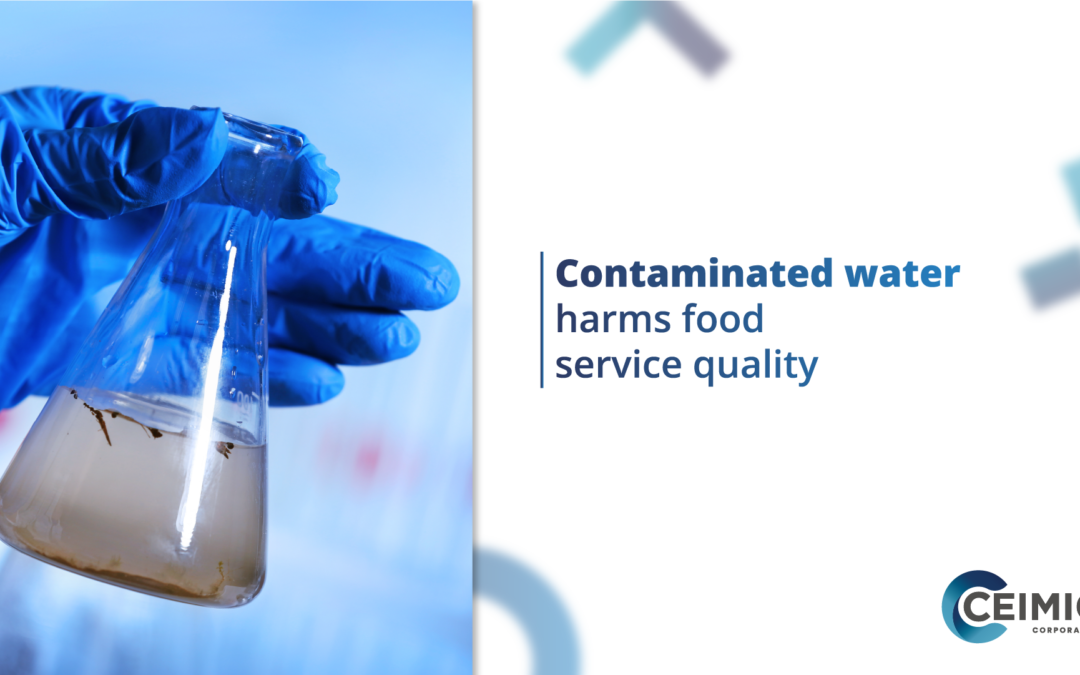
In disaster scenarios, the visual perception of water is no guarantee of safety. Technical analysis is the only reliable tool to declare an area or supply as “safe.”
At CEIMIC, as leaders in life sciences analysis, we offer comprehensive solutions for crisis management, including urgent microbiological analysis and screening for complex chemical contaminants.
CEIMIC is committed to protecting public health in critical moments. Through detailed analysis and immediate technical response, we ensure that your community or industry regains safety after the emergency.
CEIMIC. Life Sciences Testing Group. It’s about life.
+ For more information on emergency protocols, visit the official website of the World Health Organization (WHO).